Patients do not make a distinction between the terms fatigue and sleepiness, but this is essential for the correct diagnosis and therapy!
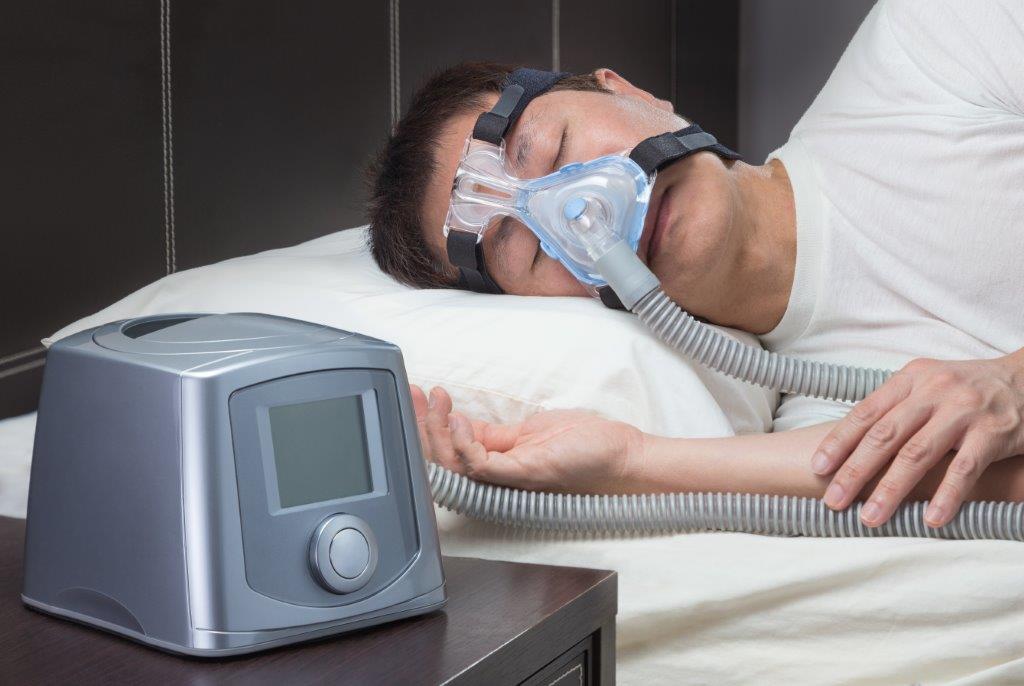
Sleepiness is the tendency to actually nod off in passive situations, and in severe sleepiness even in active situations. Sleepiness first manifests itself in monotonous situations in a sitting or lying position, but disappears during active activities. The most common cause of sleepiness is depression. Sleepiness often masks lack of sleep, sleep apnea syndrome or narcolepsy Frequent sleepwalking, epileptic seizures during sleep or Parkinson’s disease are often accompanied by daytime sleepiness.
Fatigue, on the other hand, is primarily experienced during active activities in the form of heavy legs or – in severe cases – as physical exhaustion. The most common cause is depression or other mental illness. An extreme form of fatigue occurs in patients suffering from Chronic Fatigue Syndrome. Affected individuals need hours to days to recover from an average degree of exertion. Various neurological or internal diseases such as multiple sclerosis or an iron deficiency can be associated with pronounced fatigue as well as a feeling of physical exhaustion.
A need to spend more time sleeping (hypersomnia) often manifests itself as daytime sleepiness because these patients do not sleep long enough compared to their true sleep needs. However, the main symptom is difficulty waking up, with a feeling of sleepiness during the first hour after getting up. A long sleeper can correct the problem by getting a prolonged night’s sleep, e.g. during vacations, but in idiopathic hypersomnia this measure is of limited use.
Fitness to drive in case of daytime sleepiness
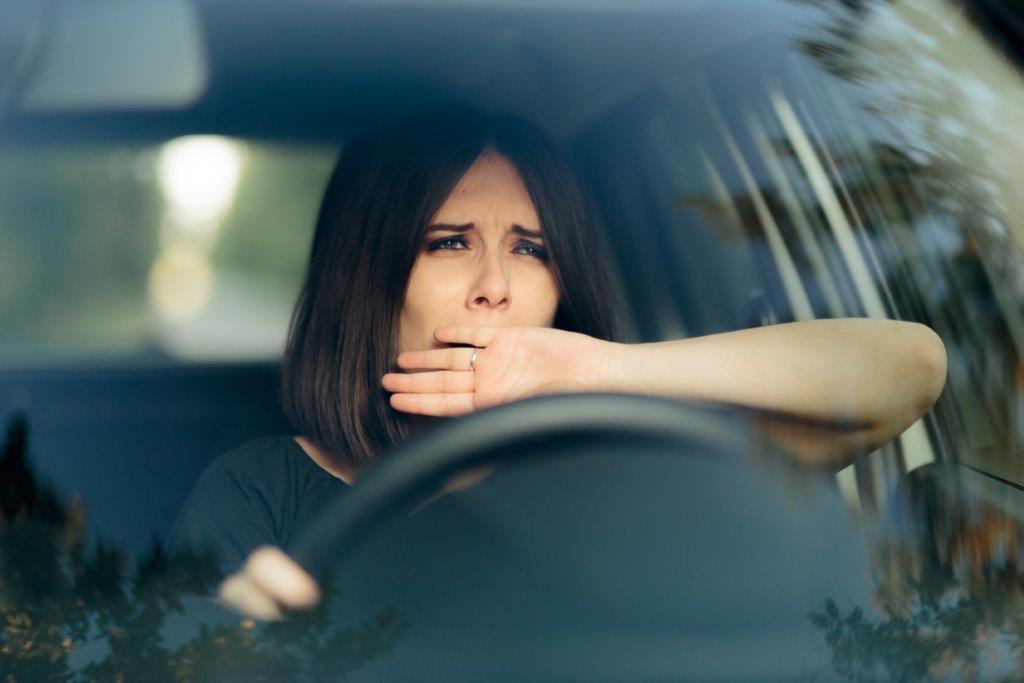
Clarifying any form of daytime sleepiness is particularly important when examining fitness to drive. Patients with sleep apnea syndrome, narcolepsy or other causes of severe daytime sleepiness are initially considered unfit to drive and must prove their fitness to drive together with the doctors providing their treatment. To save trouble and costs, it is important to discuss the correct sequence of measures with an experienced sleep physician. Otherwise, you run the risk of being referred directly to the road traffic agency or its medical examiner by an uninformed doctor or even an insurance company, which can result in unnecessarily high costs. For a group 1 driver’s license (private driving), a clinical examination by a sleep physician is usually sufficient. For a group 2 driver’s license (professional drivers), a multiple wakefulness test (MWT) in the sleep laboratory is often necessary before a certificate of fitness to drive can be given.
An incorrect procedure is often followed by applicants for a learner’s permit who suffer from a sleep-wake disease with daytime sleepiness. Such patients should consult a sleep physician before applying for a learner’s permit.