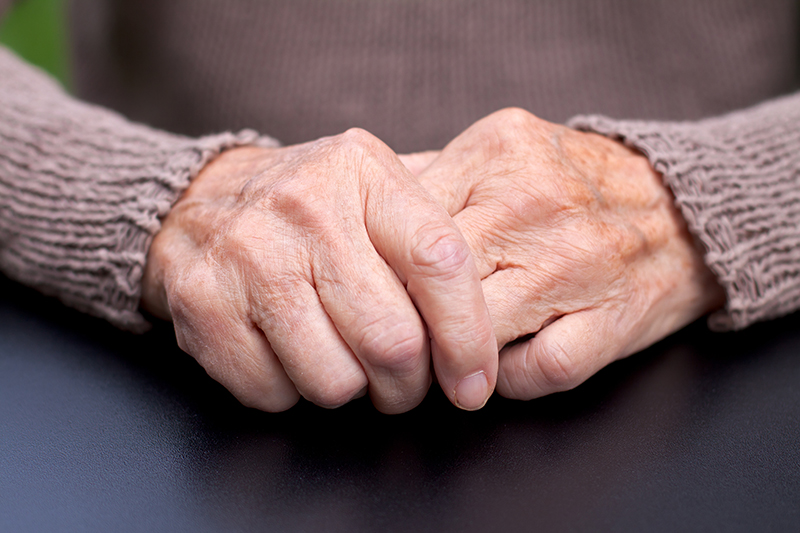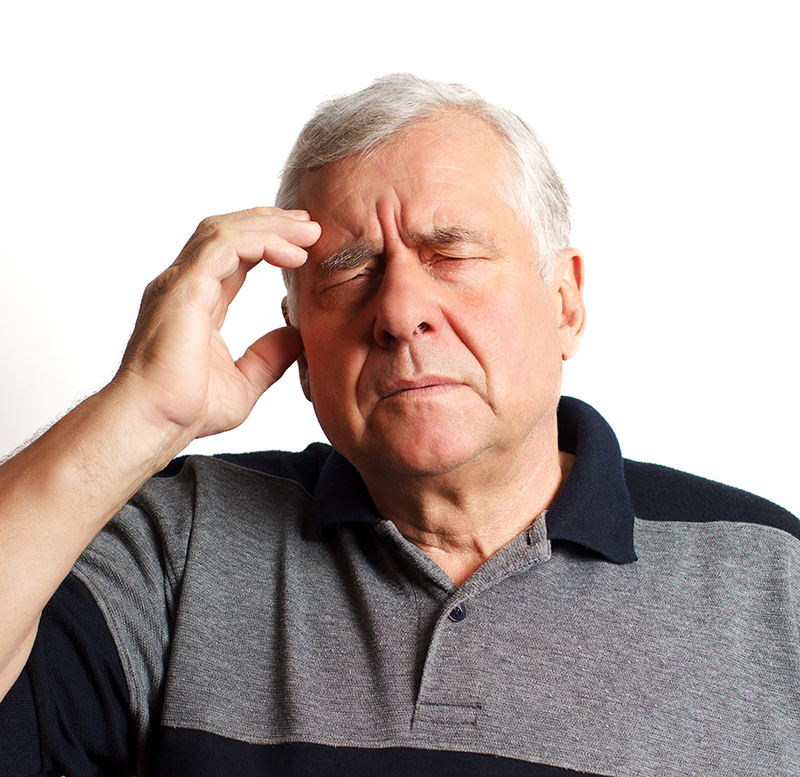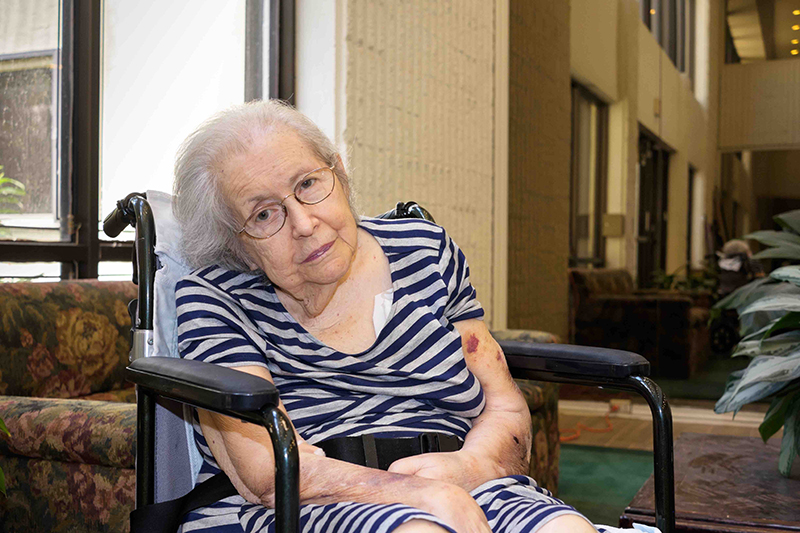
This is a disturbance of the interactions and targeting of movements. Depending on the parts of the body affected, they can cause the following symptoms: 1) In the hands: there are often reports of clumsiness in the hands. When grasping objects, the hand often misses or knocks the object over as it overshoots. Occasionally there is also jerking or trembling just before reaching the target. 2) In the legs: when walking, the disturbed interaction between movements causes swaying and thus an unsteady gait, which is then often also interpreted as dizziness. In severe cases, falls may also occur. 3) When speaking: in the case of a coordination disorder affecting the organs of speech, there is a speech disorder often with mumbling or slurred speech.
Cause
The cerebellum is mainly responsible for coordination and targeting. It also receives feedback from the body, about the skin, muscles and the position of the joints. In diseases affecting the cerebellum itself (e.g. stroke, cerebral hemorrhage, multiple sclerosis, congenital cerebellar disorder, a brain tumor, some forms of essential tremor, or chronic alcohol damage), the symptoms mentioned above can occur.
Diseases that make feedback to the cerebellum more difficult also lead to lack of coordination, with clumsiness of the hands and unsteady gait. These include spinal cord diseases or those involving the spinal cord (e.g., multiple sclerosis) or diseases affecting the peripheral nerves in the body (polyneuropathy). Finally, even isolated arm or leg weakness can cause a coordination disorder.